Flying Drones (UAS) in Arizona
Flying Drones (UAS) in Arizona
Contents
Flying a Drone in Arizona
Drones — formally called Unmanned Aircraft Systems (UAS) — share the sky with airplanes and helicopters. All aircraft in the United States, including drones, operate within the National Airspace System (NAS), which is regulated by the Federal Aviation Administration (FAA), the federal agency responsible for aviation safety nationwide.
Whether you fly for fun or for work, every drone operator in Arizona must follow federal FAA rules and Arizona state law. Which rules apply to you depends on why you're flying.
Recreational Flying
You are flying recreationally if you operate strictly for personal enjoyment, with no compensation or business purpose involved (including social media promotion tied to a business).
Requirements:
- Pass the FAA's free Recreational UAS Safety Test (TRUST) and carry proof of completion — required for every recreational flyer, regardless of the drone's size or weight. Even a small toy-class drone flown outdoors requires TRUST.
- Register your drone with the FAA if it weighs 0.55 lbs (250 g) or more
- Equip your drone with Remote ID if it's required to be registered (unless flying within an FAA-Recognized Identification Area, or FRIA)
- Fly at or below 400 feet AGL
- Keep your drone within visual line of sight
- Follow FAA-recognized safety guidelines for recreational flyers (49 U.S.C. §44809)
Note: If you already hold an FAA Part 107 Remote Pilot Certificate, you do not need to separately take TRUST — your Part 107 knowledge test satisfies the requirement even when you're flying recreationally.
Get started:
- Take the TRUST test: https://www.faa.gov/uas/recreational_fliers/knowledge_test_updates
- Register your drone: https://faadronezone.faa.gov
- Check where you can fly: https://www.faa.gov/uas/recreational_fliers/where_can_i_fly (B4UFLY app)
Commercial & Government Use — Part 107
You are subject to FAA Part 107 if you fly for any purpose beyond pure recreation — this includes commercial work, real estate photography, agricultural or infrastructure inspection, media/journalism, research, and most government or public-agency operations.
Requirements:
- Hold an FAA Remote Pilot Certificate (pass the Part 107 Aeronautical Knowledge Test)
- Register every drone you fly, regardless of weight
- Fly at or below 400 feet AGL and within visual line of sight, unless operating under an FAA waiver
- Obtain airspace authorization before flying in controlled airspace, via the Low Altitude Authorization and Notification Capability (LAANC) or FAADroneZone
- Equip your drone with Remote ID
Get started:
- Learn about becoming a Remote Pilot: https://www.faa.gov/uas/commercial_operators/become_a_drone_pilot
- Apply for airspace authorization (LAANC): https://www.faa.gov/uas/programs_partnerships/data_exchange
- Request a waiver for operations beyond standard Part 107 limits: https://www.faa.gov/uas/commercial_operators/part_107_waivers
Model Aircraft Resources & Safety Guidelines
ADOT encourages every operator — recreational and commercial — to fly safely and responsibly. In addition to FAA rules, ADOT recommends the safety guidelines published by a nationwide, FAA-recognized community-based organization for model aircraft operators:
- Academy of Model Aeronautics (AMA) National Model Aircraft Safety Code: https://www.modelaircraft.org/safety/national-model-aircraft-safety-code
These guidelines cover safe operating practices, site selection, and courtesy toward other airspace users, and are recognized by the FAA as a basis for community-based safety standards under 49 U.S.C. §44809.
Arizona State Law
Arizona law (A.R.S. §13-3729) makes it a state preemption issue — cities, towns, and counties generally cannot create their own separate drone ordinances. State and federal rules govern where and how you may fly, with limited exceptions for property owned by a political subdivision.
Arizona law also prohibits:
- Interfering with law enforcement, firefighting, or emergency operations
- Operating in furtherance of any criminal offense
- Intentionally photographing, loitering over, or flying within certain distances of a critical facility, in furtherance of a criminal offense
Critical Facilities — What They Are and Why It Matters
Arizona law (A.R.S. §13-3729) identifies certain types of infrastructure and public-safety sites as "critical facilities." Intentionally flying a drone to photograph, surveil, or loiter near one of these sites in furtherance of a criminal offense is a serious violation of state law.
This section is meant to help you recognize the general categories of critical facilities so you can operate responsibly around them — it is not a list or map of specific locations.
Categories of critical facilities under Arizona law include:
| Category | Examples |
|---|---|
| Energy production & transmission | Petroleum/alumina refineries; chemical or rubber production and processing facilities; electric generation plants and substations; transmission lines of 69kV or more; energy control centers |
| Water infrastructure | Water and wastewater treatment plants; water distribution/conveyance systems; dams |
| Communications | Electronic communication stations and towers |
| Natural gas infrastructure | Compressor stations, regulator stations, city gate stations, LNG facilities |
| Transportation | Railroad infrastructure and facilities |
| Public safety & justice | Federal, state, county, or municipal courts; public safety and emergency operations facilities; jails, prisons, and other incarceration facilities |
| Military | Federal or state military installations and facilities |
| Medical | Hospitals that receive air ambulance services |
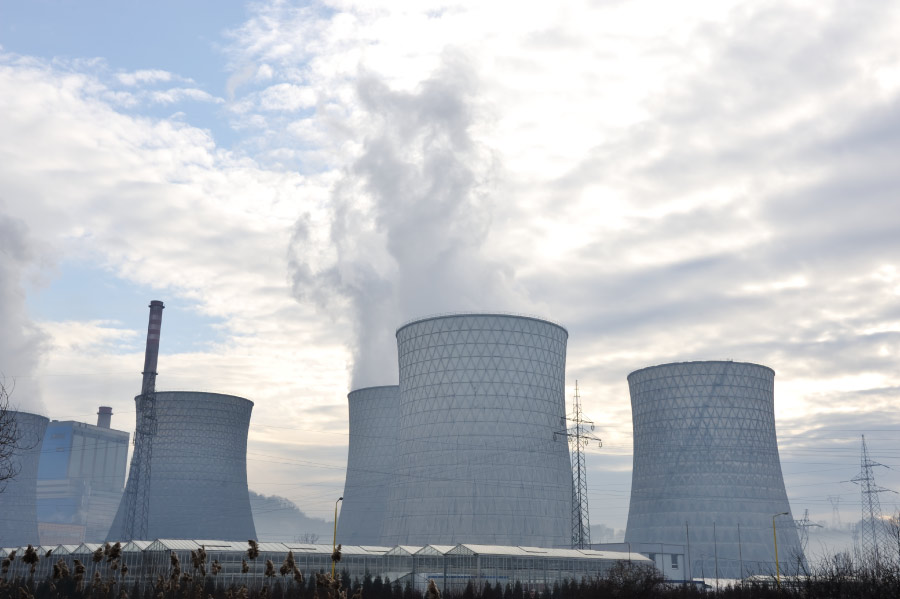
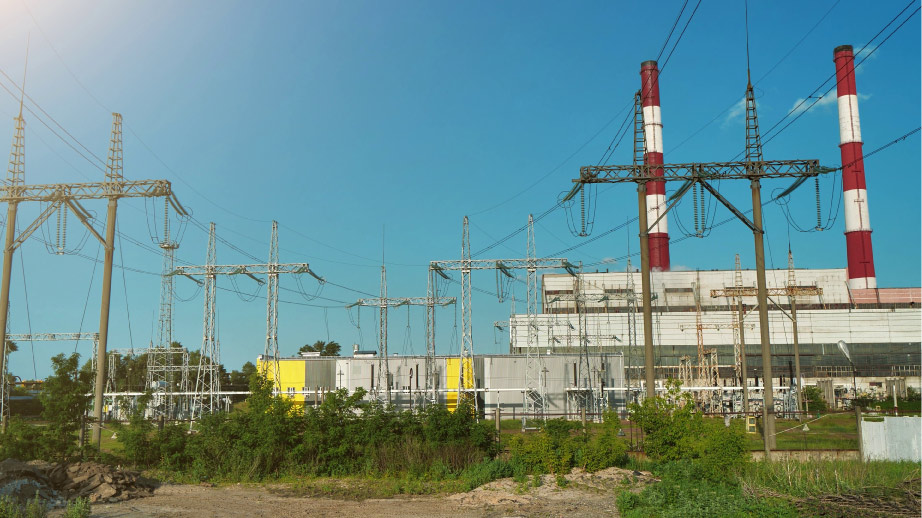
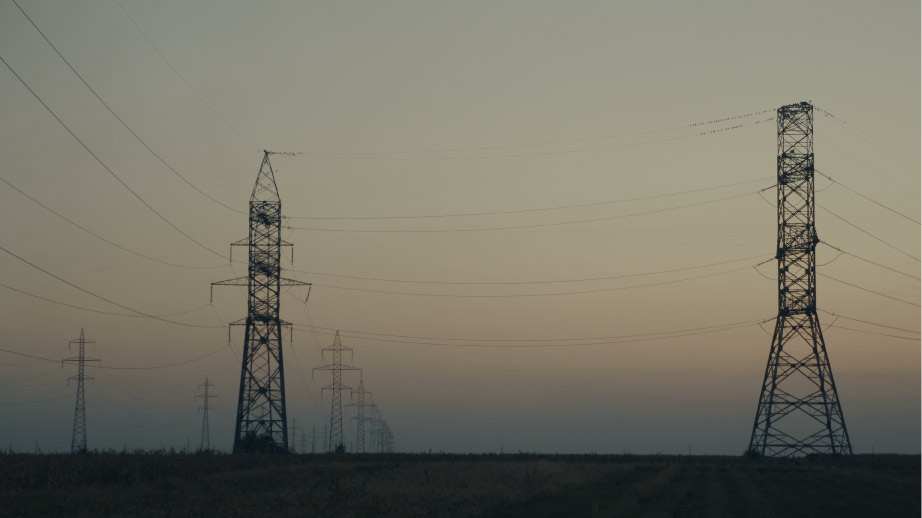

The bottom line for operators: If an operations site resembles a critical infrastructure facility—such as a power generation plant or a water treatment facility—treat the area with extreme caution. Avoid loitering near the perimeter, refrain from taking close-up photographs, and never operate a drone with intent connected to an illegal act. When in doubt, maintain a safe distance and consult the official FAA regulations and Arizona state drone guidelines provided in the resources section.
Additional Resources
- FAA Unmanned Aircraft Systems (UAS) home: https://www.faa.gov/uas
- FAA B4UFLY app (airspace checker): https://www.faa.gov/uas/getting_started/b4ufly
- Arizona Revised Statutes §13-3729: https://azleg.gov/ars/13/03729.htm
- Arizona Revised Statutes §28-8242: https://azleg.gov/ars/28/08242.htm