Freeway in the desert

ADOT Blog

Latest blog articles

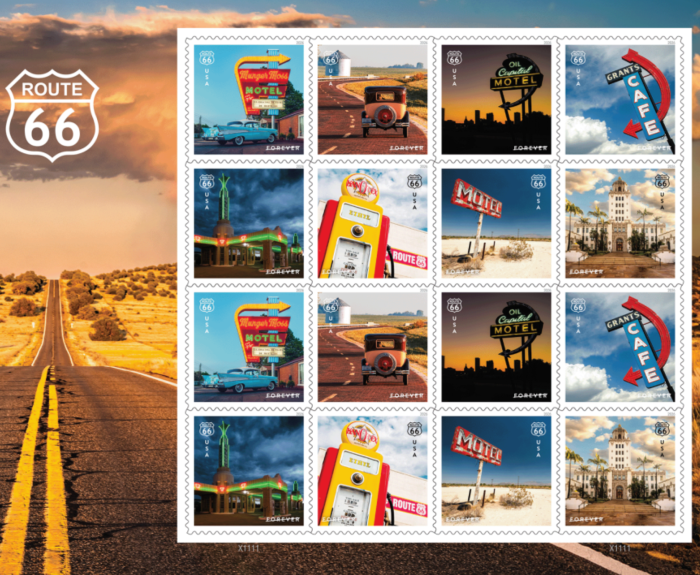
The Route 66 centennial is a big deal here at the Arizona Department of Transportation. That’s why our director, Jennifer Toth, gave opening remarks today at a U.S. Postal Service ceremony in Phoenix dedicating stamps honoring the historic route’s 100 years as of this coming November.
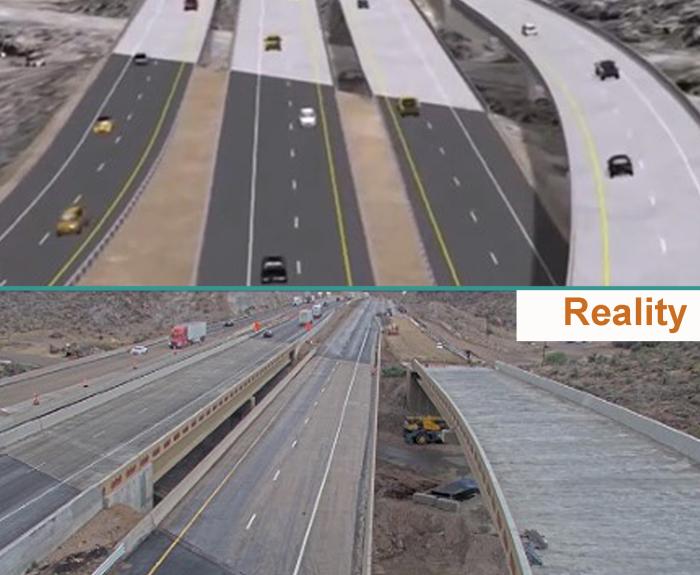
When ADOT commissioned a bird’s eye video rendering of the I-40/US 93 interchange project in Kingman, we never could have imagined there’d be an opportunity to see just how realistic the images would turn out when viewed from above.
If you live in Arizona year-round, there’s one thing for certain: You cannot escape the summer heat. Sometimes, we can’t even escape summer-like temperatures in March. But, during Heat Awareness Week (May 4-8), ahead of the brunt of summer...

Popular blog articles

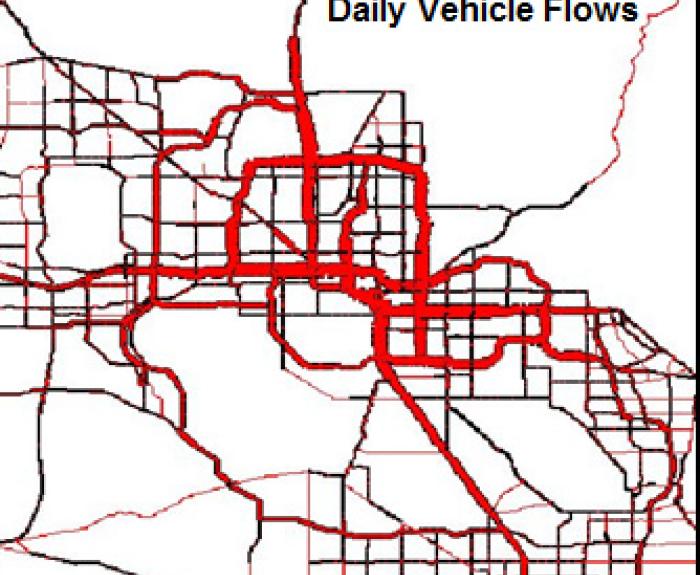
Short of a time machine, travel demand models might just be the next best thing for taking a glimpse at the future of our transportation system. So, what is a travel demand model?
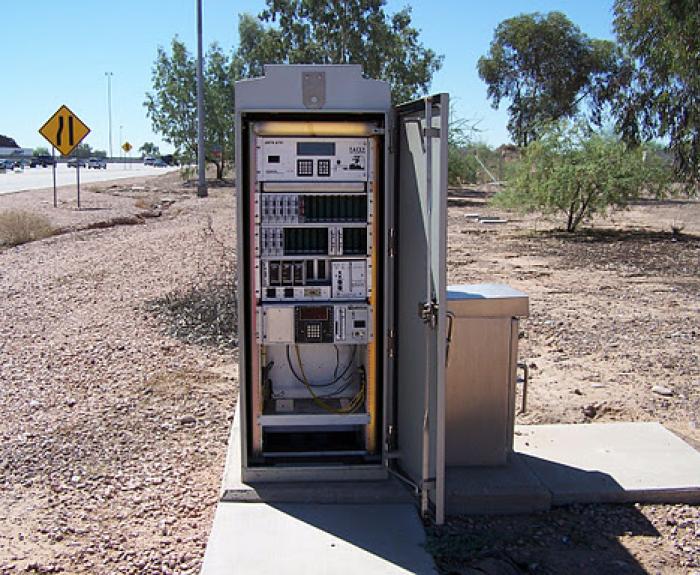
Have you ever spotted something on the highway and wondered, ‘what is that and why is it there?’ If you have, the ADOT Blog is here to help you find the answer!
Those of you who have ever taken I-17 north or south through our state probably are pretty familiar with the Cordes Junction traffic interchange. It’s the one that sits right between Flagstaff and Phoenix and serves about 13,000 vehicles a day (that’s in addition to the more than 27,000 vehicles that travel daily on I-17 at the junction of SR 69).
The improvements to SR 143 are really coming along. In fact, construction now is about 64 percent complete!
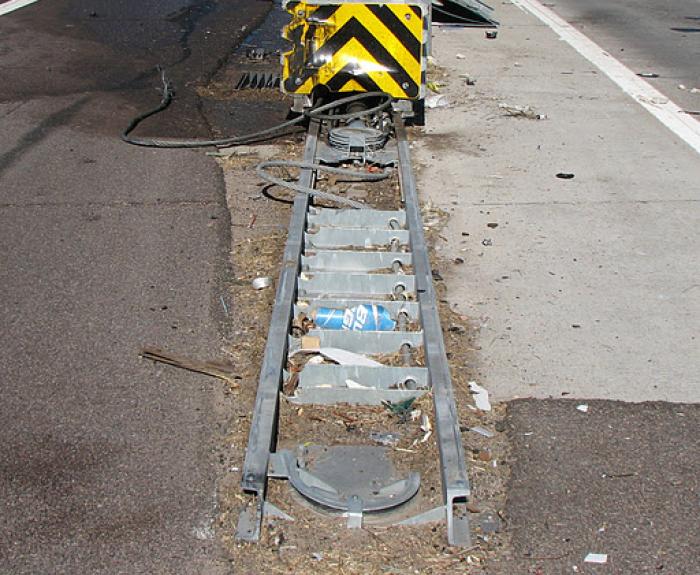
Back in July we told you all about truck-mounted attenuators and how vital they are to the safety of ADOT employees and drivers out on the road. But, there’s another type of attenuator that acts on the same principle and does just as much to protect motorists...
Back in the early 2000s ADOT started to hear from drivers who said certain stretches of Valley freeways seemed quieter than others. ADOT and the Maricopa Association of Governments (MAG) noticed a difference, too. It seemed that areas paved with an asphalt rubber friction course (rubberized asphalt), which MAG funded through the Regional Transportation Plan, were less noisy than freeway surfaces with cement concrete pavement.
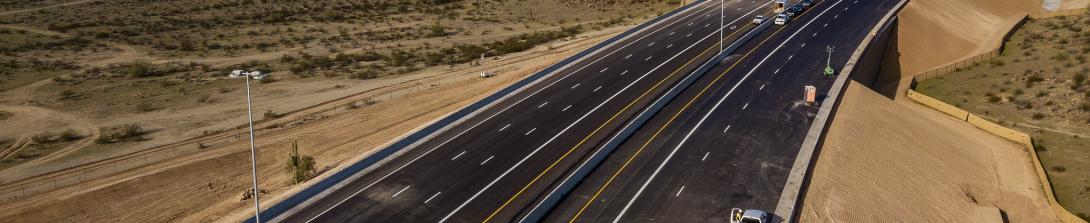
Accommodating existing traffic is a key priority when ADOT builds a freeway … Depending on the project, that can mean working out a construction schedule that takes rush hours into account or hiring extra crews to flag and direct traffic through the site.
The saying, “a photo speaks 1,000 words” holds true when it comes to data. Because, for most people (we’re not talking about the engineers who are out there reading this!) it’s hard to pull real meaning from just a long list of numbers.
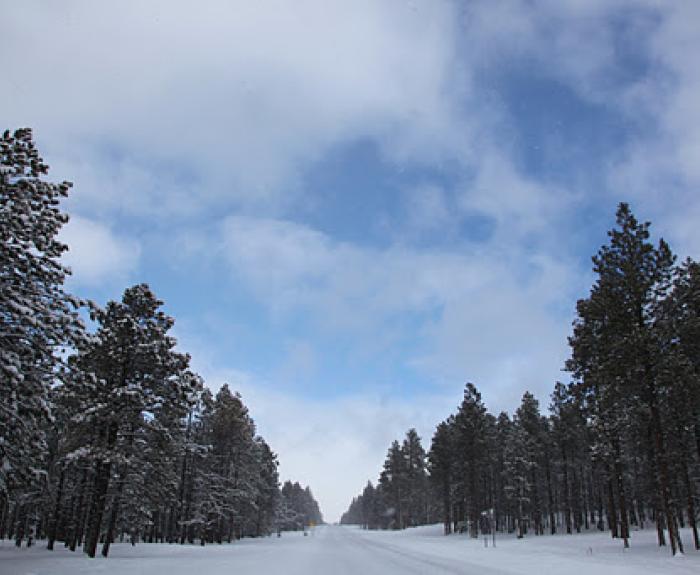
The official start of winter is approaching, but the cold weather is already here! Over the past few weeks, we’ve told you how ADOT prepares for the snowy conditions common this time of year in Arizona’s high country.
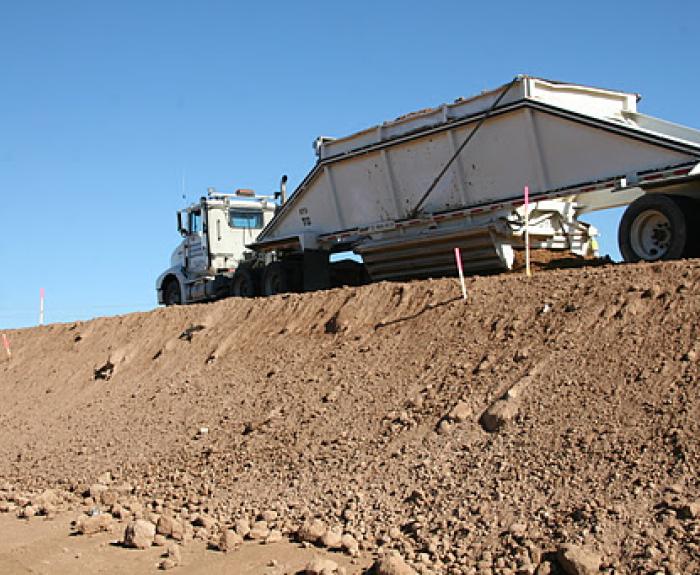
Before you can build a freeway, you’ve got to move a little dirt... Make that a LOT of dirt, especially in the case of the Loop 303 project under construction right now in the West Valley.