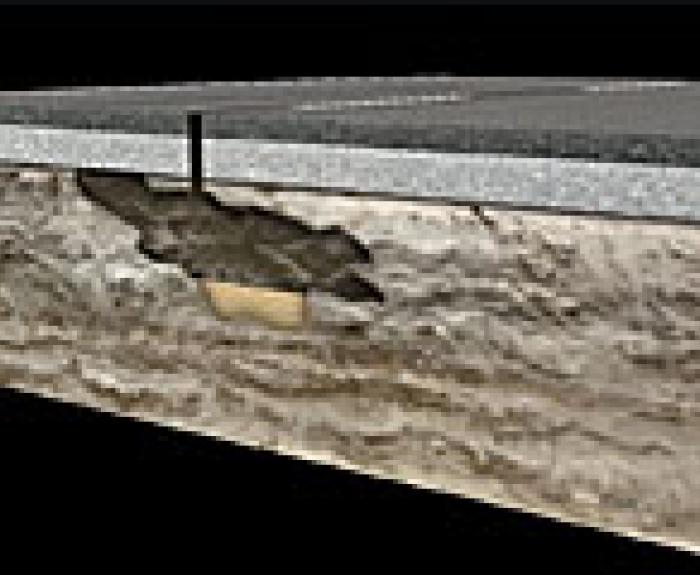
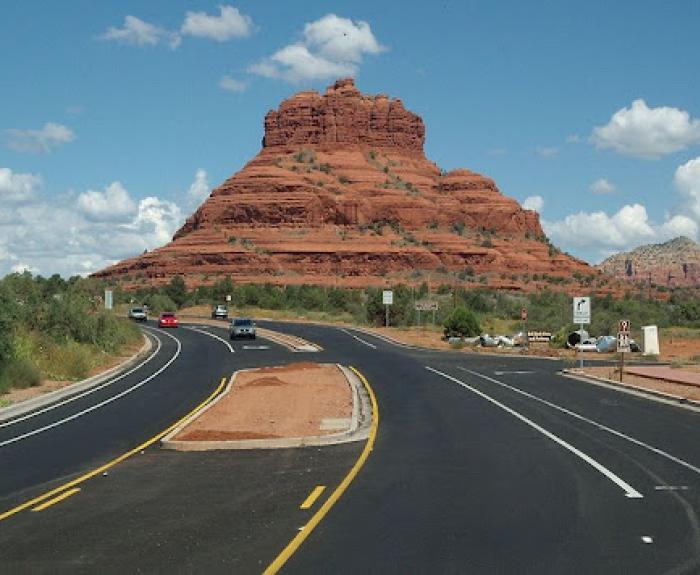
Freeway in the desert

ADOT Blog

Latest blog articles

We're highlighting an ASU News article features a partnership that’s helping ADOT learn how to optimize water use in freeway landscaping. The ADOT Urban Freeway Landscape Water Use Efficiency Project nvolves graduate students who are part of ASU’s Arizona Water Innovation Initiative
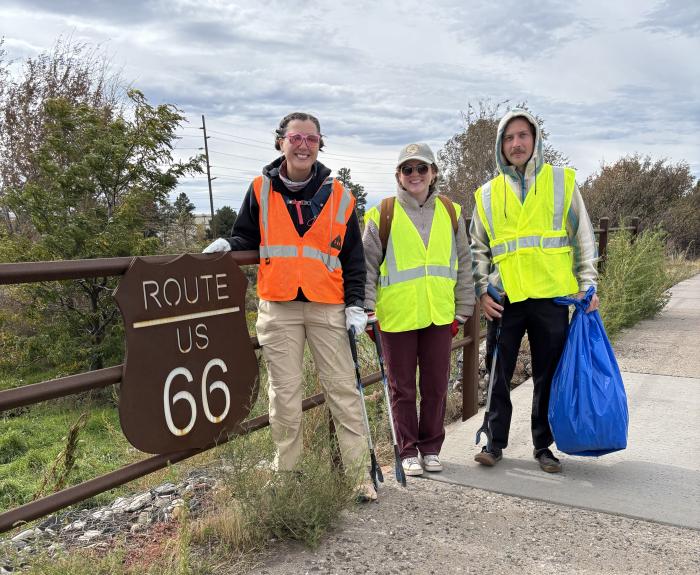
Adopt a Highway volunteer groups and others are invited to help tidy up along state highways for Earth Day. Whether you are a seasoned volunteer or just looking to make a difference, your participation makes a measurable impact toward reducing roadside litter.
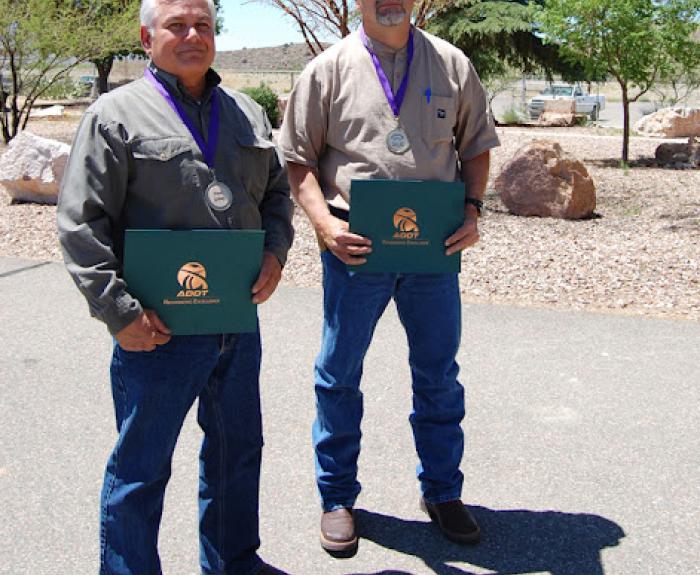
This week’s episode of On the Road With ADOT features two of our many team members involved in preserving Arizona’s vast investment in state highways and the use of fog seals to extend pavement life.

Popular blog articles

You've probably never gotten a good look at the Passive Acoustic Devices (PAD) out on the freeways … they're easy to miss. PADs are small objects that sit near the top of utility poles and are barely visible to drivers below, but they collect a lot of useful data.
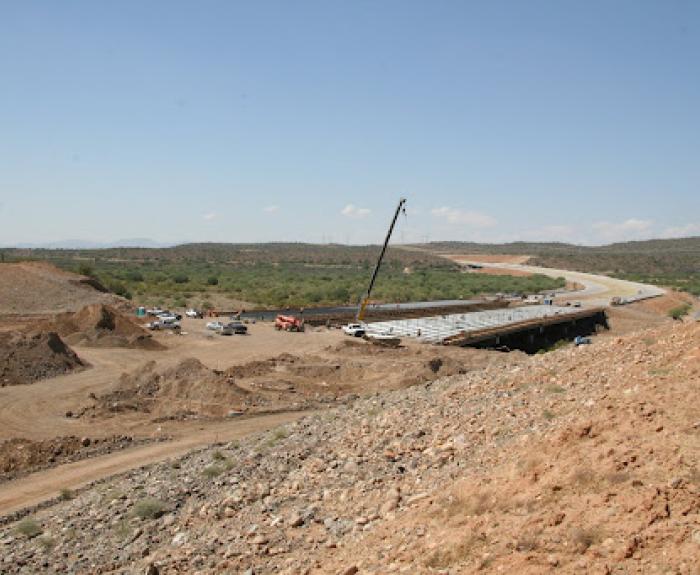
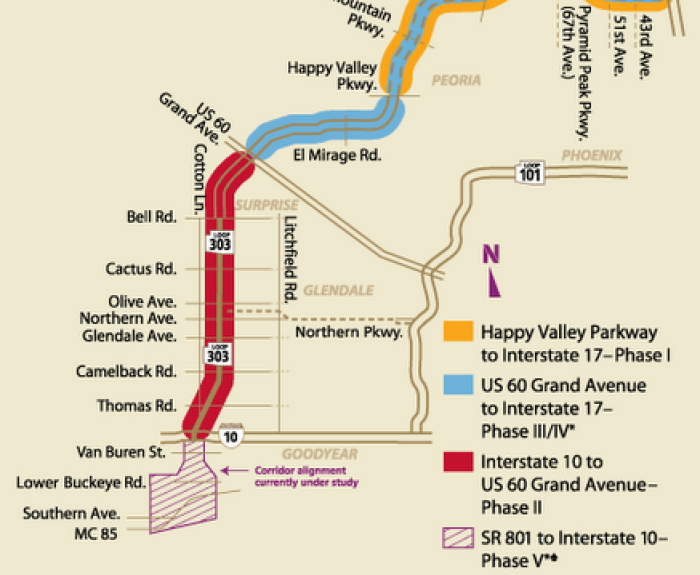
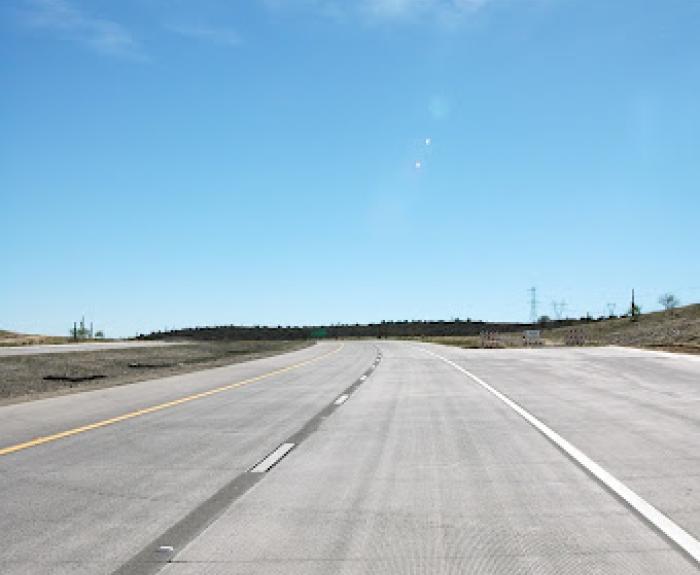
If you’ve been following our Building a Freeway series, you should be pretty familiar by now with much of the work that’s happening out on the Loop 303.
Maybe you've noticed some of the cameras that are perched high above the roadways ... These are Closed Circuit Television (CCTV) cameras and are used by ADOT's Traffic Operations Center (TOC) to constantly monitor traffic conditions throughout the state.
We’re thankful for the approximately 1,570 volunteer groups who currently adopt an Arizona highway. It’s hard to believe, but roughly 335 of the groups have been volunteering for more than 10 years and of those, 50 have been with Adopt a Highway for more than 20 years!
Short of a time machine, travel demand models might just be the next best thing for taking a glimpse at the future of our transportation system. So, what is a travel demand model?
Have you ever spotted something on the highway and wondered, ‘what is that and why is it there?’ If you have, the ADOT Blog is here to help you find the answer!
Those of you who have ever taken I-17 north or south through our state probably are pretty familiar with the Cordes Junction traffic interchange. It’s the one that sits right between Flagstaff and Phoenix and serves about 13,000 vehicles a day (that’s in addition to the more than 27,000 vehicles that travel daily on I-17 at the junction of SR 69).
The improvements to SR 143 are really coming along. In fact, construction now is about 64 percent complete!
Back in July we told you all about truck-mounted attenuators and how vital they are to the safety of ADOT employees and drivers out on the road. But, there’s another type of attenuator that acts on the same principle and does just as much to protect motorists...
Back in the early 2000s ADOT started to hear from drivers who said certain stretches of Valley freeways seemed quieter than others. ADOT and the Maricopa Association of Governments (MAG) noticed a difference, too. It seemed that areas paved with an asphalt rubber friction course (rubberized asphalt), which MAG funded through the Regional Transportation Plan, were less noisy than freeway surfaces with cement concrete pavement.